The Strategic Significance of Custodial Selection
The decision to employ multiple custodians for IBIT marks a pivotal strategy in the cryptocurrency arena. Relying on a solitary custodian can expose investors to undue risk; hence, diversification emerges as a necessary safeguard. Savvy investors intuitively grasp the importance of dispersing their assets across various custodians, thus readying themselves for operational challenges and regulatory shifts. The commitment to a strategic, multi-faceted custodial model is not merely about shielding assets; it intricately weaves through the very fabric of the evolving investment climate, navigating through uncertainties while elevating security measures.
Distinguishing Custodial Frameworks
When we stack BlackRock’s approach to custodianship against that of the Grayscale Bitcoin Trust (GBTC), a stark contrast comes into view. IBIT shines with transparency in its custody agreements—an area where GBTC disappoints, often leaving investors uncertain with unverifiable claims. Relying on external comparison tools may offer a semblance of insight, yet the lack of concrete disclosure casts a shadow over investors' trust. Distinguishing between these custodial frameworks is imperative, as the strength of asset security is inherently linked to how robust fund managers' relationships are with their custodial partners.
Complying with the Regulatory Landscape
As the momentum for cryptocurrencies grows within mainstream finance, the trumpet call for stringent regulatory compliance resounds louder. Companies like BlackRock are setting the bar high, illustrating the need for versatile custodial approaches. Walking the line between compliance and innovation remains imperative; over-regulation could stifle the growth of emerging entities in the Web3 space. By exploring imaginative custodial models, organizations can remain competitive while embracing the regulations that underpin the integrity of the digital asset landscape.
The Surge in Demand for Bitcoin ETFs
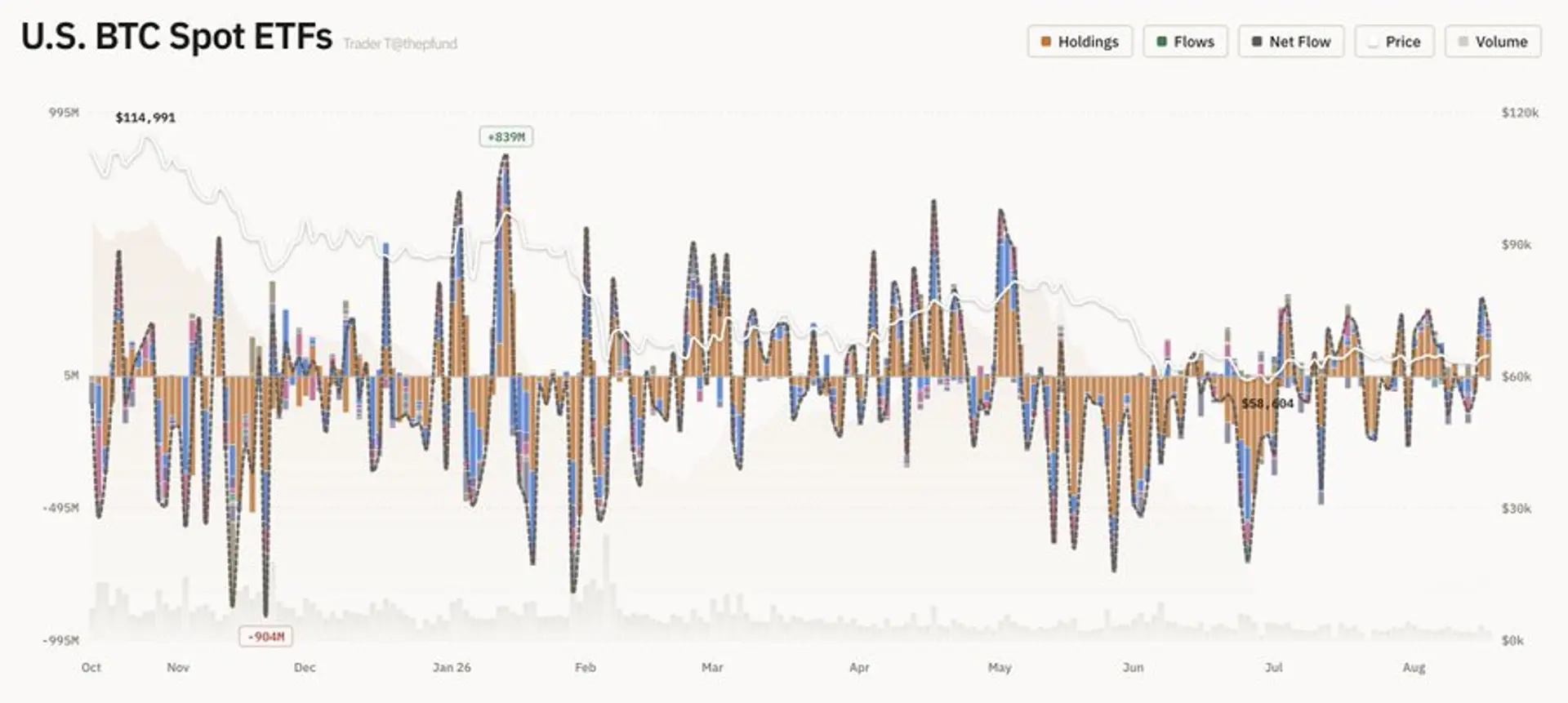
The voracious interest in Bitcoin ETFs—especially among institutional investors—heralds a significant transformation in the investment sphere. Trailing Bitcoin prices, which find themselves around $63,000 after dipping from considerable highs, the quest for regulated custodial channels is intensifying. Institutions are recognizing ETFs as a strategic avenue for risk management in these turbulent waters. Recent filings with the SEC reveal that key players, such as Morgan Stanley, are ramping up their Bitcoin ETF investments, signaling a burgeoning institutional stake in this revolutionary asset class.
Conclusion
As vigilance around Bitcoin custodianship escalates, the destiny of cryptocurrency investment lies squarely in the understanding of custodial dynamics. By placing BlackRock’s iShares Bitcoin Trust alongside Grayscale’s custodial framework, investors can glean essential insights into the operational risks tied to their choices. The unfolding conversation around custodial practices and regulatory compliance is set to redefine the cryptocurrency investment horizon, offering fertile ground for investors who can adeptly navigate these complexities. In this evolving landscape, astute investors will carefully analyze custodial frameworks, sharpening their financial strategies as they position themselves to seize the promising potential of digital assets.