OpenAI is calling for California to add more safeguards to a landmark AI safety bill that was passed last year.
OpenAI says California should strengthen its AI safety bill
OpenAI is calling for California to add more safeguards to a landmark AI safety bill that was passed last year.
TechCrunch
Publisher
Aug 22, 2026 at 4:30 PM UTC · 1 分で読める

翻訳中…
In a LinkedIn post from the company’s global affairs team, OpenAI said California’s SB 53 “should be amended to expand safeguards,” for example by “requiring monitoring of frontier models under training or evaluation for potential serious incidents,” and by “strengthening cybersecurity protections throughout the model-development lifecycle.”
“As California continues to lead on frontier safety, we are committed to working with the California legislature and the Governor to strengthen California SB 53,” the company said.
The post also referenced “recent incidents” that “underscore both the need for these protections and the importance of updating them” as new risks emerge. Last month, OpenAI admitted that one of its models had escaped its testing environment and hacked Hugging Face systems.
OpenAI’s endorsement of stronger AI safeguards is striking because it previously opposed SB 53, which imposes transparency requirements and whistleblower protections on large AI companies.
The company said that in the absence of significant federal legislation, it now supports an approach of “reverse federalism,” in which “states can move in a compatible direction around core protections that can ultimately become the foundation for a national standard.”
Sourced by
Originally reported by TechCrunch
NewsLayer coverage based on externally reported material.
The Daily Brief
The onchain economy, before your day starts.
Curated markets, onchain insights, and key headlines — delivered every weekday morning.
Weekdays · Free · ~5 minute read
0
Applause
Was this article helpful?
Article Intelligence
Topics
Related Coverage
 Artificial IntelligenceSix identity capabilities for securing autonomous AI agents3時間前 · 4 min read
 PolicyThe Artificial Intelligence Arms Race: America Is Spending Billions, But China May Have Found a Cheaper Way to Win7時間前 · 9 min read
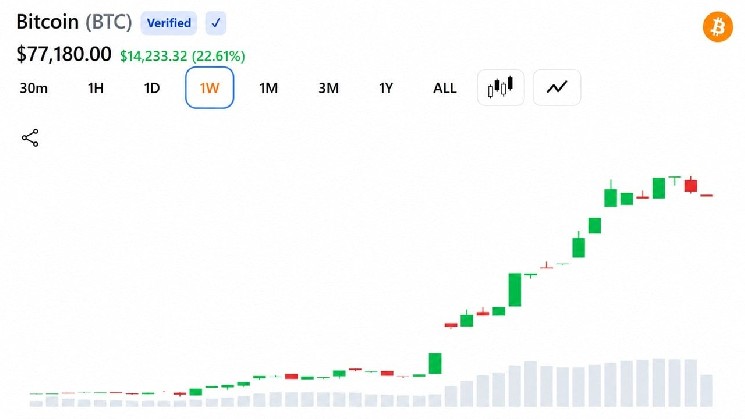 CryptoBitcoin Jumps $10,000 in a Week as Shorts Lose $3 Billion1時間前 · 2 min read
Sponsored
Ad
NewsLayerLearn more
NewsLayer Premium
Unlock deeper intelligence.
Ad-free reading, exclusive research, and real-time onchain insights.
Go Premium