Daily production averaged 3.6 Bitcoin.
Self-mining output rose slightly to 72 Bitcoin from 70 Bitcoin, while the cloud-mining portion fell to 40 Bitcoin from 55 Bitcoin.
Total managed hashrate slipped to 14.2 EH/s from 15.3 EH/s, though self-owned hashrate edged higher to 3.6 EH/s.
Bitcoin holdings fell to 1,314 from 1,671, mainly because the company used part of its treasury for advance payments to secure additional future hashrate capacity scheduled to come online in August.
Management indicated the new capacity, combined with earlier commitments, should restore total managed hashrate to approximately 20 EH/s by mid-August. Canaan mined 46 Bitcoin in July, down from 64 Bitcoin in June.
The company finished the month with 1,917 Bitcoin and 3,952 Ethereum on its balance sheet.
North American non-joint-venture operations maintained solid efficiency, while joint-venture hashrate continued recovering after earlier wildfire-related disruptions at the Alborz site in Texas.
Operating hashrate in the joint venture rose to 4.20 EH/s and installed capacity reached 4.85 EH/s by month-end.
Canaan also noted authorization for management to deploy a portion of its digital asset treasury toward share repurchases when market conditions are judged favorable.
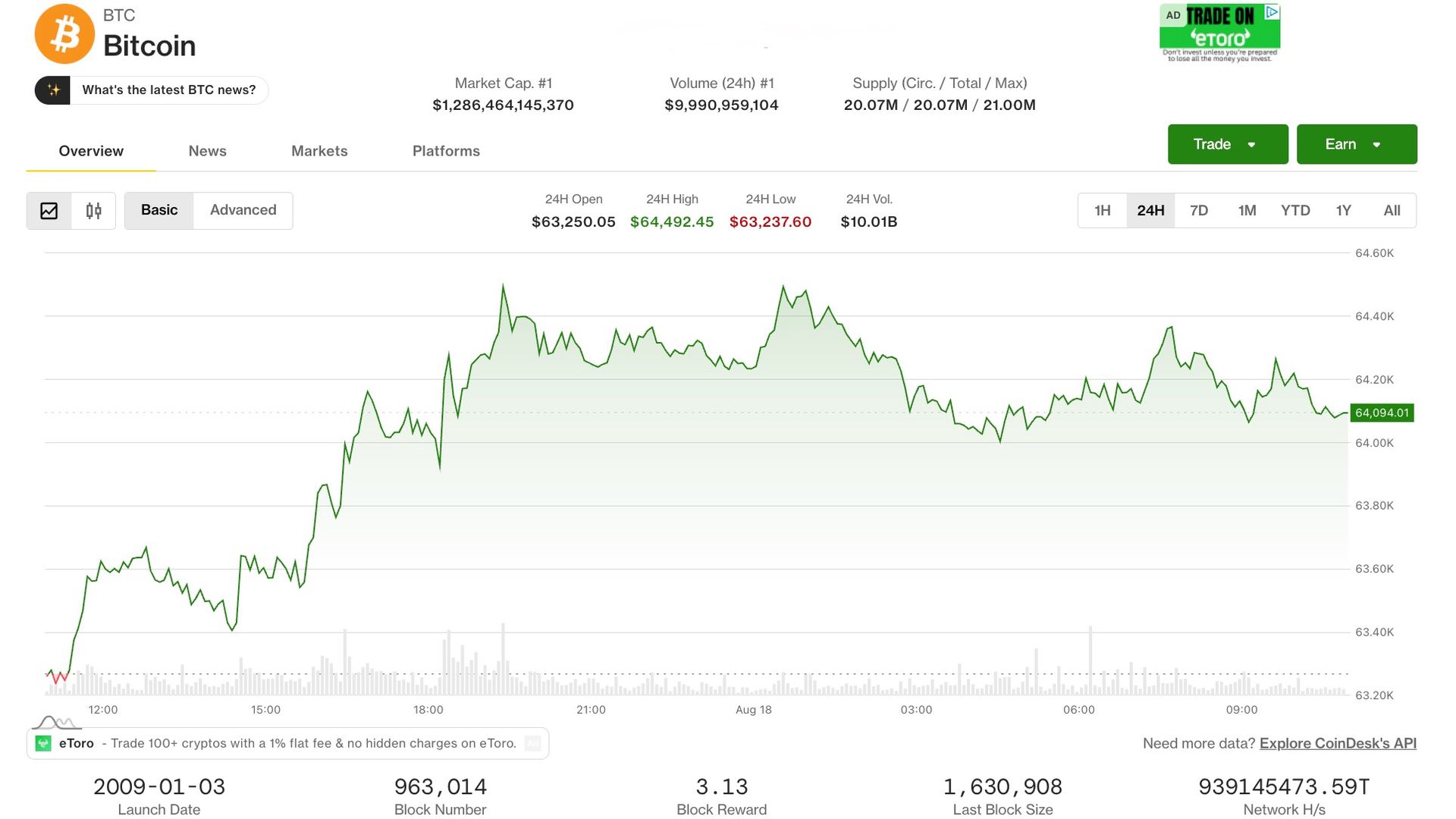
Bitcoin itself opened July near $58,500 and closed the month closer to $62,800 after falling sharply in June.
Despite that rebound, the lower production figures from these three miners illustrate that hashrate utilization, power availability, equipment efficiency, and site recovery remain decisive drivers of monthly output.
The broader cryptocurrency market has continued to face headwinds into August, with many mining equities reflecting cautious investor sentiment.
These results underscore the operational complexities facing Bitcoin miners in the current environment.
CleanSpark’s focus on mining and data-center development, BitFuFu’s deliberate expansion of owned capacity funded partly by treasury assets, and Canaan’s gradual restoration of disrupted joint-venture operations each highlight different strategic responses to the same industry conditions. Market observers will watch August production data closely to assess whether hashrate recovery and efficiency gains can reverse the recent downward trend in output.