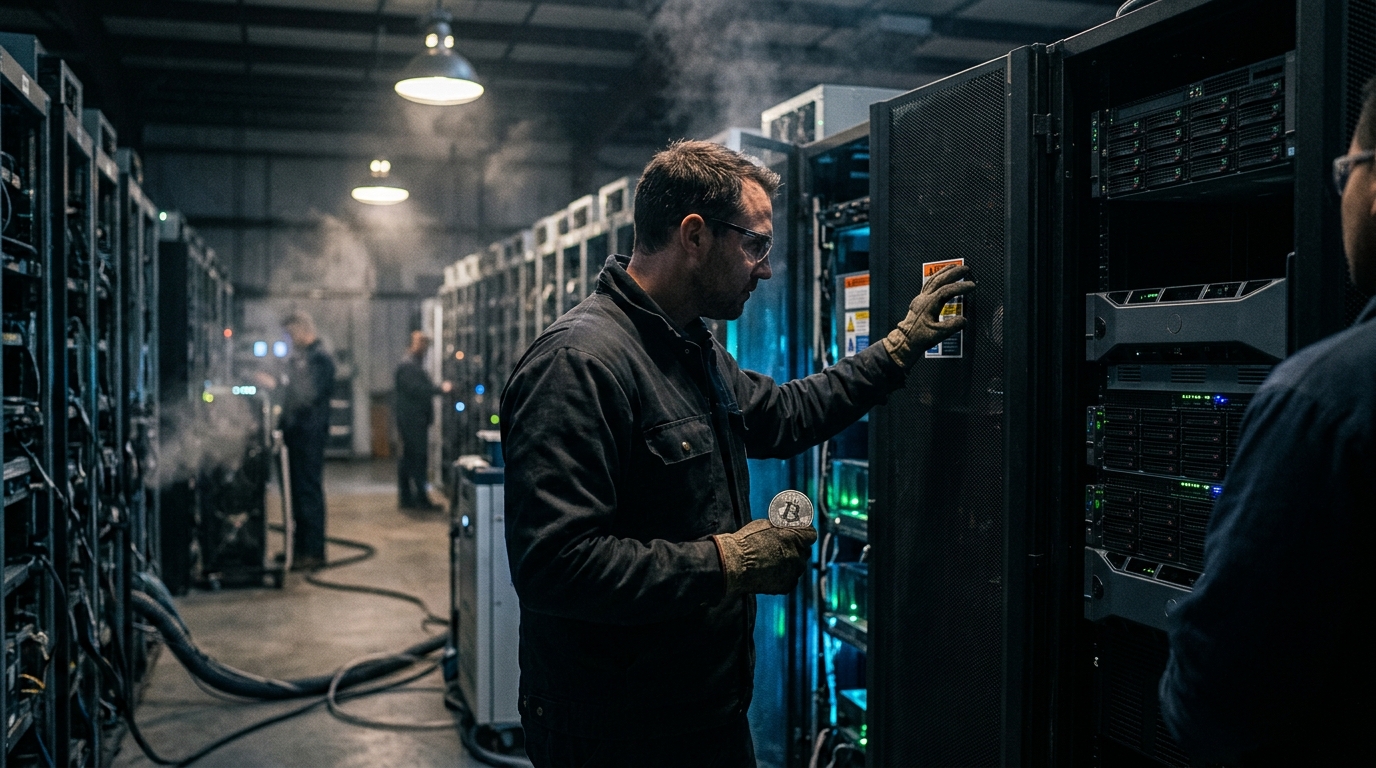
Power access has become the scarce resource in this trade. Many mining sites already have grid interconnections, substations, and large energy loads that AI tenants need. The market has started to reward miners that can repurpose those assets rather than rely only on ASIC fleets competing for the same block subsidy.
From a market structure standpoint, the richer valuations are not just about revenue mix. Lenders and equity investors now screen mining companies for contracted data center income before extending capital, which reinforces the split. A miner with a visible AI backlog can negotiate different terms than a pure operator exposed only to hashprice.
The interest in AI-linked compute is not limited to industrial mining facilities. Decentralized computing partnerships are also emerging as teams seek scalable infrastructure for AI-driven Web3 applications, as seen in UXLINK and Origins Network’s decentralized computing integration.
Pure-play miners face the sharper edge
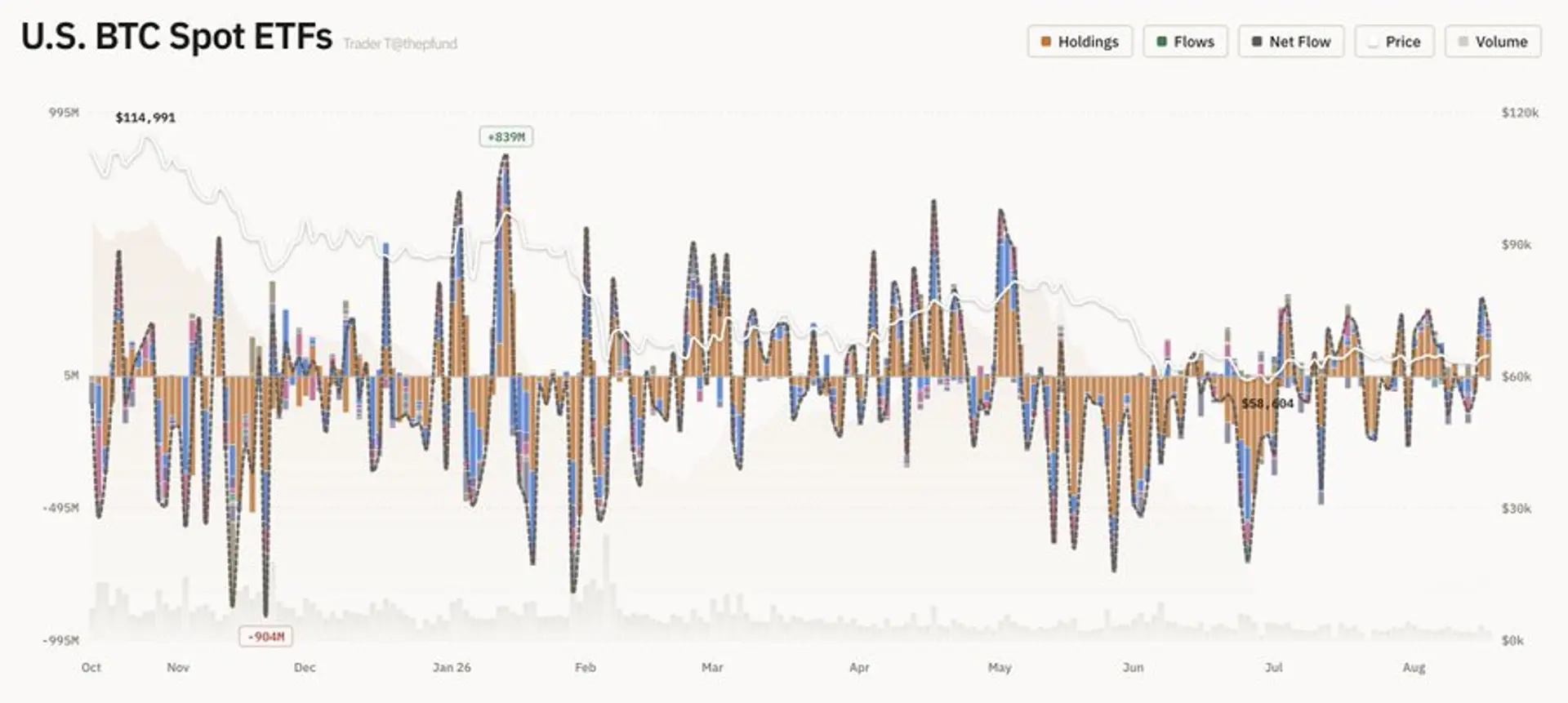
Pure-play miners have fewer cushions. When bitcoin falls or difficulty climbs, revenue per terahash declines while power contracts and debt service stay fixed. That dynamic is not new, but the current market is punishing exposure that lacks a non-mining revenue line.
Some operators still run efficient fleets with cheap power. The market is not saying pure miners are finished. It is saying they are being priced for a narrower set of outcomes until bitcoin stages a sustained recovery.
At the same time, not every AI pivot works. Some miners may hold power assets but lack the technical teams or capital budgets to build reliable high-density computing environments. The premium is uneven, and operators that simply rebrand without signing contracts do not get the same valuation lift.
AI demand is also spilling into adjacent infrastructure. Decentralized storage networks are positioning around AI workloads that require accessible data layers, a theme highlighted in Filecoin’s AI storage demand outlook