

logo
  • Consent
  • Details
  • [#IABV2SETTINGS#]
  • About
This website uses cookies
We use cookies to personalise content and ads, to provide social media features and to analyse our traffic. We also share information about your use of our site with our social media, advertising and analytics partners who may combine it with other information that you’ve provided to them or that they’ve collected from your use of their services.
[#GPC_BANNER_ICON#]
[#GPC_TOAST_TEXT#]
Consent Selection
Show details
Details
  • Necessary cookies help make a website usable by enabling basic functions like page navigation and access to secure areas of the website. The website cannot function properly without these cookies.
    • Pexels
      1
      Learn more about this provideropens in a new window
      _cfuvidThis cookie is a part of the services provided by Cloudflare - Including load-balancing, deliverance of website content and serving DNS connection for website operators.
      Maximum Storage Duration: SessionType: HTTP Cookie
    • ambcrypto.com
      benzinga.com
      bitcoinmagazine.com
      coingape.com
      decrypt.co
      image.coinpedia.org
      pexels.com
      7
      __cf_bm [x7]This cookie is used to distinguish between humans and bots. This is beneficial for the website, in order to make valid reports on the use of their website.
      Maximum Storage Duration: 1 dayType: HTTP Cookie
    • newslayer.com
      1
      CookieConsentStores the user's cookie consent state for the current domain
      Maximum Storage Duration: 1 yearType: HTTP Cookie
  • Preference cookies enable a website to remember information that changes the way the website behaves or looks, like your preferred language or the region that you are in.
    • We do not use cookies of this type.

  • Statistic cookies help website owners to understand how visitors interact with websites by collecting and reporting information anonymously.
    • We do not use cookies of this type.

  • Marketing cookies are used to track visitors across websites. The intention is to display ads that are relevant and engaging for the individual user and thereby more valuable for publishers and third party advertisers.
    • We do not use cookies of this type.

  • Unclassified cookies are cookies that we are in the process of classifying, together with the providers of individual cookies.
    • newslayer.com
      3
      __emg_sidPending
      Maximum Storage Duration: 1 dayType: HTTP Cookie
      __emg_vidPending
      Maximum Storage Duration: 1 yearType: HTTP Cookie
      nl-read-countPending
      Maximum Storage Duration: PersistentType: HTML Local Storage
Cross-domain consent[#BULK_CONSENT_DOMAINS_COUNT#]
[#BULK_CONSENT_TITLE#]
List of domains your consent applies to: [#BULK_CONSENT_DOMAINS#]
Cookie declaration last updated on 8/12/26 by Cookiebot
[#IABV2_TITLE#]
[#IABV2_BODY_INTRO#]
[#IABV2_BODY_LEGITIMATE_INTEREST_INTRO#]
[#IABV2_BODY_PREFERENCE_INTRO#]
[#IABV2_BODY_PURPOSES_INTRO#]
[#IABV2_BODY_PURPOSES#]
[#IABV2_BODY_FEATURES_INTRO#]
[#IABV2_BODY_FEATURES#]
[#IABV2_BODY_PARTNERS_INTRO#]
[#IABV2_BODY_PARTNERS#]
About
Cookies are small text files that can be used by websites to make a user's experience more efficient.

The law states that we can store cookies on your device if they are strictly necessary for the operation of this site. For all other types of cookies we need your permission.

This site uses different types of cookies. Some cookies are placed by third party services that appear on our pages.

You can at any time change or withdraw your consent from the Cookie Declaration on our website.

Learn more about who we are, how you can contact us and how we process personal data in our Privacy Policy.

Please state your consent ID and date when you contact us regarding your consent.
NewsLayer

Install NewsLayer

Get the app experience — one tap from your home screen, instant loads and breaking-news alerts.

NewsLayer.com
LatestDaily BriefMarkets
NewsLayer PulseLIVE₿BTC$64,231-0.05%ΞETH$1,913+0.62%◎SOL$76.96+1.38%✕XRP$1+0.54%ÐDOGE$0.07+0.17%₳ADA$0.1756+1.39%Total Cap$2.30T+0.01%24H Vol$197.2BLayer Index44 Neutral
Crypto·Policy
External Reporting게시 4시간 전

How a hidden flaw in Coldcard wallets led to an $88.6m Bitcoin theft

The article examines an alleged hidden flaw in Coldcard wallets that was linked to the theft of $88.6 million worth of Bitcoin. It focuses on how a security weakness in a hardware wallet could contribute to a major crypto theft.

How a hidden flaw in Coldcard wallets led to an $88.6m Bitcoin theft
Publisher thenationalnews.com 5 분 소요
NewsLayer editorial artwork
$88.6MBitcoin theft value
1,367 BTCTotal Bitcoin stolen
594 BTCInitial Bitcoin theft
번역 중…

핵심 요약

  • A reported flaw involving Coldcard wallets is central to the story.
  • The theft reportedly involved $88.6 million in Bitcoin.
  • The case highlights the potential consequences of security weaknesses in crypto custody tools.

Why This Matters

The incident exposes a hardware-wallet seed-generation failure that enabled theft without physical access, undermining a core security assumption for affected self-custody users. Because compromised seeds can also be used in multi-chain wallets, the exposure could extend beyond the Bitcoin that has already moved. It also signals limits to AI-assisted code review when a critical flaw can remain undetected in open-source security software.

Regulation Context

SEC Crypto Asset Market Structure Rulemaking
JurisdictionUnited States
RegulatorSEC
Statusin progress
Updated11일 전
Open Regulation Tracker

Market Context

₿

Bitcoin

BTC

$64,231

-0.05% 24h

Layer Index

44

Neutral

Layer Index

↓ 1 pts in 24h

Coldcard is a hardware wallet aimed at serious Bitcoin users. It only supports Bitcoin, can be kept offline and uses open-source software. It is assembled in Canada and is designed to keep users' Bitcoin secure.

But from March 2021, some Coldcard devices generated customers' private keys using the device's serial number and its internal clock, rather than the dedicated chip designed to produce random numbers. That made the keys far easier to predict.

On July 30, an attacker stole 594 Bitcoin from about 500 inactive wallets in just 25 minutes. Galaxy Research has since linked the wider theft to 1,082 Bitcoin across 1,196 addresses. By August 2, the total had reached nearly 1,367 Bitcoin, worth about $88.6 million.

The attacker did not need physical access to the wallets. Coldcard's software code is publicly available, as is information on the Bitcoin blockchain.

The attacker appears to have spent several weeks working out the possible keys that the faulty software could have created. Those keys could then be matched with Bitcoin addresses holding funds. Once the vulnerable wallets had been identified, the attacker was able to move the Bitcoin. The theft itself took just 25 minutes.

Inside the flaw

The defect is more embarrassing than the word “bug” suggests. Coldcard distrusts the general-purpose randomness in the software it is built on, so it wraps the chip's own hardware generator and switches the built-in one off. But a safety check in a supporting library failed to detect that the built-in generator had been disabled. Seed generation dropped through to the software fallback, which took what randomness it could from the serial number and the clock and never gathered anything fresh again. A seed is meant to carry 128 bits of entropy. On the Mk3, it carried about 40.

Putting it in physical terms, a lock manufacturer advertises a million combinations. A factory defect means one production run can only ever land on about a thousand of them. The lock still turns and looks identical to every other lock on the shelf. The owner has no way of telling. The thief only has to know which thousand.

Reach crypto's most engaged readers — advertise mid-article on NewsLayer
Sponsored

Reach crypto's most engaged readers — advertise mid-article on NewsLayer

NewsLayer

Ad

The elliptic-curve mathematics underneath Bitcoin has never been broken. The randomness feeding it was.

The blast radius is also wider than the coins that moved. A seed is not a Bitcoin object; it is simply entropy. It can also generate addresses and keys for other systems. Anyone who took a Coldcard seed into a multi-chain wallet was using the same broken dice at a different table.

Coinkite, the Canadian firm behind the device, has published its own account of what went wrong. A few weeks before the theft, the company ran one of the best available AI models over this exact code, looking for security problems. The review came back clean. The company also believes that is how the attacker found the flaw, the firmware having always been open source. Both sides had the same tool. It worked for only one of them.

The episode highlights an important problem with AI-assisted security. A defender asks a model to review a codebase and needs it to spot every serious vulnerability. An attacker asks it to find one exploitable path and can afford any number of wrong answers because he needs only a single correct one. Defence has to be right everywhere. Offence has to be right once. Cheap code review does not soften that asymmetry – it accelerates it.

The asymmetry of defence

Which brings us to the mantra. Not your keys, not your coins. The oldest line in Bitcoin. It was aimed at exchanges, and last week it delivered exactly as written. The victims held their own keys. So did the attacker. The protocol has no view on which of them was the owner.

That is why recovery here is worse than difficult. Bitcoin is a bearer instrument. Whoever can produce a valid signature can move the coin. The network does not ask whether you are entitled to the funds. It asks only whether the signature is correct.

After that, the argument moves to the courts. You have to find the person, in a jurisdiction willing to hear you, then prove the wallet was yours and that the transfer was theft rather than authorised. From the chain alone, those stories can look the same.

Who would you sue?

Some years ago, a Bitcoin whale came into the office to hear about the digital asset products we were running. He asked about custody inside 90 seconds, then made a performance of not trusting a single name on the list. Enterprise-grade, ISO-certified, audited, insured – and, to him, beside the point, because somebody else held the keys.

My answer then is the one I would give today. A regulated custodian is the part of the structure that can be made to pay. If client assets are mishandled, there may be insurance, contractual liability, auditors and regulators to pursue. None guarantees recovery, but somebody is on the hook.

He chose otherwise, as was his right. The trouble is that the choice was made by slogan. Six words settled a question about a very large sum of money that deserved a conversation about failure modes, insurance and precisely who you would sue.

None of this is an argument for buying the ETF and switching your brain off. Self-custody did not fail here. One vendor's build pipeline failed, and every user who supplied his own dice rolls at set-up came through untouched. But the defect was invisible for five years, and it lived inside the exact ritual the practice tells you is the safe one.

No way to check

Which leaves the unpleasant part. There is no self-test. You cannot run anything against your own wallet to learn whether your seed fell inside the reproducible set, because a compromised seed and a sound one look identical. The only honest posture is to assume you are in it, and move the assets to a newly generated, secure wallet.

The lesson is not that self-custody does not work. It is that it transfers responsibility. The important question is not simply who holds your keys, but who bears the loss when those keys fail.

Yevgeny Bebnev is an investment professional and multi-manager fund specialist based in Dubai. He is also the founder and CIO of Alaris Capital

속보

속보를 놓치지 마세요

X에서 팔로우 텔레그램 참여

Advertisement

House — Advertise on NewsLayer
NewsLayerAd

Related Intelligence

External ReportingNasdaq-Listed Chinese Company Does a Michael Saylor, Launches New Bitcoin Treasury Worth $154.7 MillionExternal ReportingMetaplanet Makes $135M US Bet to Build New Bitcoin Treasury HubExternal ReportingBitcoin steady at $64k as markets parse U.S. regulations, Iran tensions
View More

빠른 답변

How much Bitcoin was reportedly stolen?

The article headline says the theft involved $88.6 million worth of Bitcoin.

Which wallet brand is mentioned in the report?

The report mentions Coldcard wallets.

What caused the reported Bitcoin theft?

The headline attributes the theft to a hidden flaw in Coldcard wallets, though the excerpt does not provide technical details about the flaw.

#bitcoin#crypto#government-policy

Sourced by

Originally reported by thenationalnews.com

NewsLayer coverage based on externally reported material.

The Daily Brief

The onchain economy, before your day starts.

Curated markets, onchain insights, and key headlines — delivered every weekday morning.

Weekdays · Free · ~5 minute read

Regulation Context

SEC Crypto Asset Market Structure Rulemaking
JurisdictionUnited States
RegulatorSEC
Statusin progress
Updated11일 전
Open Regulation Tracker

Market Context

₿

Bitcoin

BTC

$64,231

-0.05% 24h

Layer Index

44

Neutral

Layer Index

↓ 1 pts in 24h

핵심 요약

  • A reported flaw involving Coldcard wallets is central to the story.
  • The theft reportedly involved $88.6 million in Bitcoin.
  • The case highlights the potential consequences of security weaknesses in crypto custody tools.

Why This Matters

The incident exposes a hardware-wallet seed-generation failure that enabled theft without physical access, undermining a core security assumption for affected self-custody users. Because compromised seeds can also be used in multi-chain wallets, the exposure could extend beyond the Bitcoin that has already moved. It also signals limits to AI-assisted code review when a critical flaw can remain undetected in open-source security software.

속보

속보를 놓치지 마세요

X에서 팔로우 텔레그램 참여

Advertisement

House — Advertise on NewsLayer
NewsLayerAd

Related Intelligence

External ReportingNasdaq-Listed Chinese Company Does a Michael Saylor, Launches New Bitcoin Treasury Worth $154.7 MillionExternal ReportingMetaplanet Makes $135M US Bet to Build New Bitcoin Treasury HubExternal ReportingBitcoin steady at $64k as markets parse U.S. regulations, Iran tensions
View More
Policy & Regulation0%

United States · SEC

in progress

Updated 11일 전

관련 기사

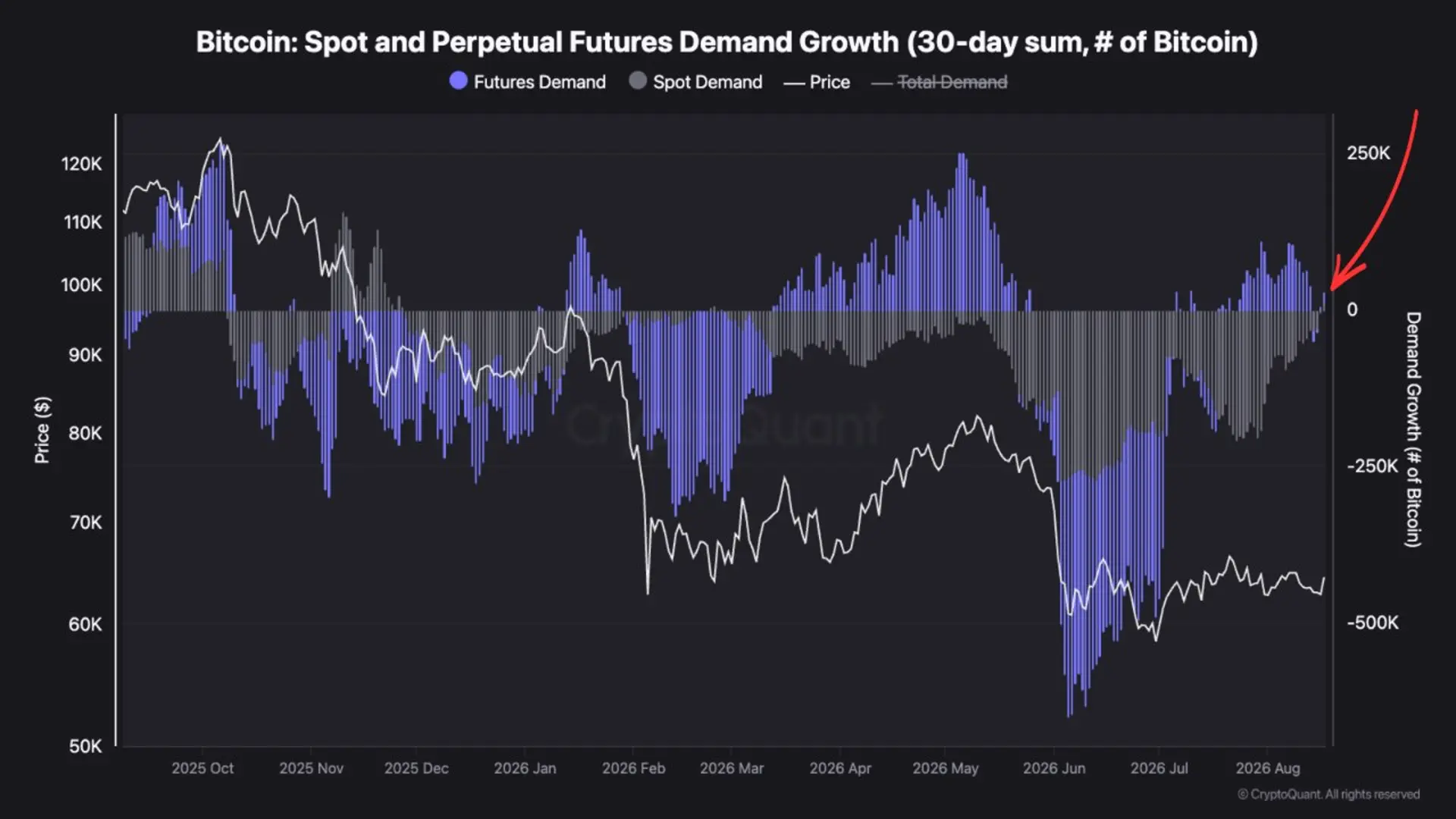
분석: 비트코인 현물 및 무기한 선물 수요, 수개월 만에 처음으로 동반 회복BITCOIN BEAT

분석: 비트코인 현물 및 무기한 선물 수요, 수개월 만에 처음으로 동반 회복

분석: 비트코인 현물 및 무기한 선물 수요, 수개월 만에 처음으로 동반 회복 bloomingbit

한 시간 전

2 분 소요
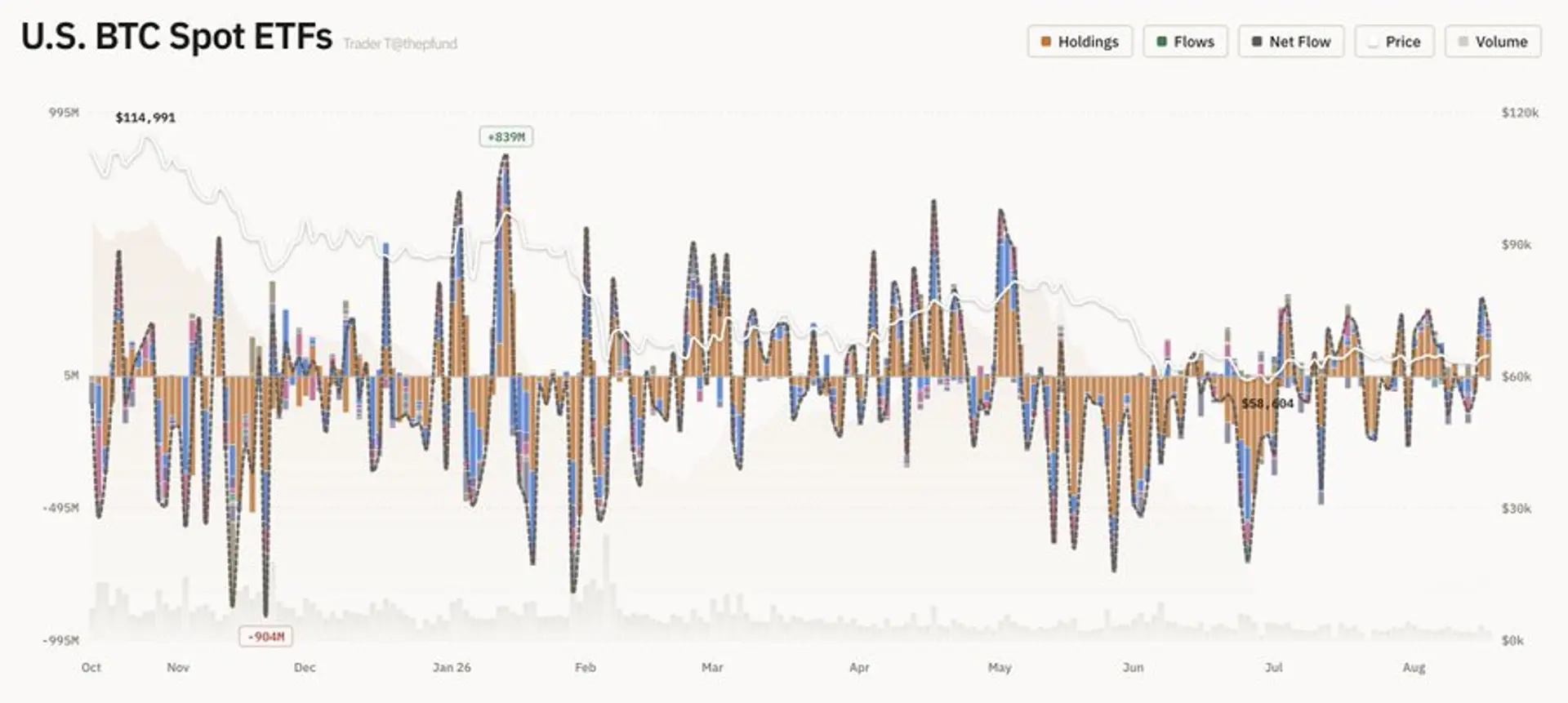
미국 현물 Bitcoin ETF, 1억 8,931만 달러 유입으로 2일 연속 순유입 기록BITCOIN BEAT

미국 현물 Bitcoin ETF, 1억 8,931만 달러 유입으로 2일 연속 순유입 기록

미국 현물 Bitcoin ETF, 1억 8,931만 달러 유입으로 2일 연속 순유입 기록 bloomingbit

3시간 전

1 분 소요
오늘 예정된 백악관 암호화폐 회의를 앞둔 XRP 가격 전망 — 향후 행보는?REG RADAR

오늘 예정된 백악관 암호화폐 회의를 앞둔 XRP 가격 전망 — 향후 행보는?

오늘 예정된 백악관 암호화폐 회의를 앞둔 XRP 가격 전망 — 향후 행보는? CoinGape

한 시간 전

3 분 소요
Kalshi, US500 및 구리 무기한 선물 CFTC 승인 요청규제 레이더

Kalshi, US500 및 구리 무기한 선물 CFTC 승인 요청

Kalshi가 US500 및 구리 무기한 선물에 대한 CFTC 승인을 요청했습니다. 크립토 뉴스

한 시간 전

1 분 소요
NewsLayer.com

The front page of the onchain economy. Crypto, Web3 and regulation intelligence — live prices, original research and policy tracking in one layer.

Follow on XTelegram

News

  • Latest News
  • The Daily Brief
  • Crypto
  • DeFi
  • Web3
  • Blockchain
  • Policy
  • Explainers

Markets & Tools

  • Market News
  • Live Charts
  • Layer Index
  • Regulation Tracker
  • Regulation Radar
  • Research
  • NewsLayer Originals
  • My Feed
  • Search

Company

  • About NewsLayer
  • Go Premium
  • Advertise
  • PR Publication
  • Become an Author
  • Create Account
  • Sign in

© 2026 NewsLayer.com — The front page of the onchain economy·Privacy Policy·Terms of Service

NewsLayer

Get the signal, not the noise.

Markets, regulation and onchain intelligence in a 5-minute morning read — plus breaking alerts and Layer Index flips as they happen.

The Daily Brief

Breaking alerts

Index flips

Free · No spam · Unsubscribe anytime