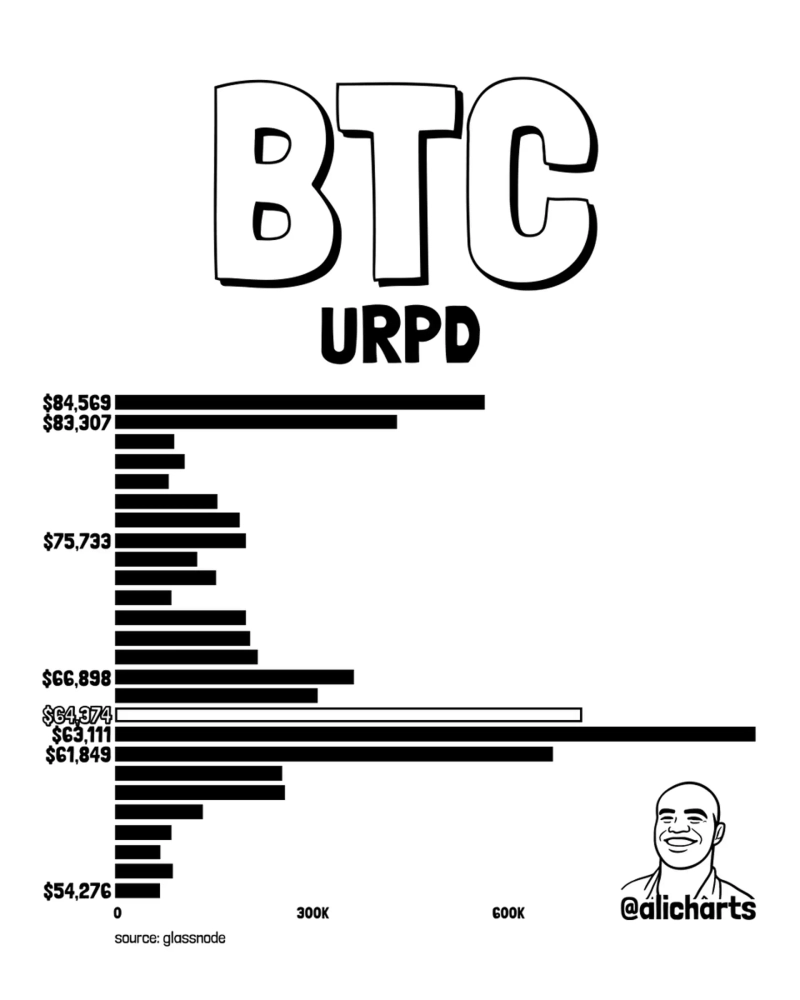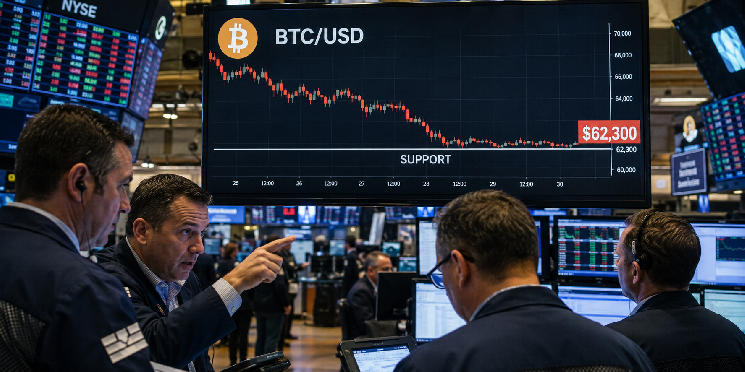

- Analysts said Bitcoin is searching for direction between support at $63,000 and resistance at $67,000, meaning a cautious approach is warranted until it reclaims $67,000.
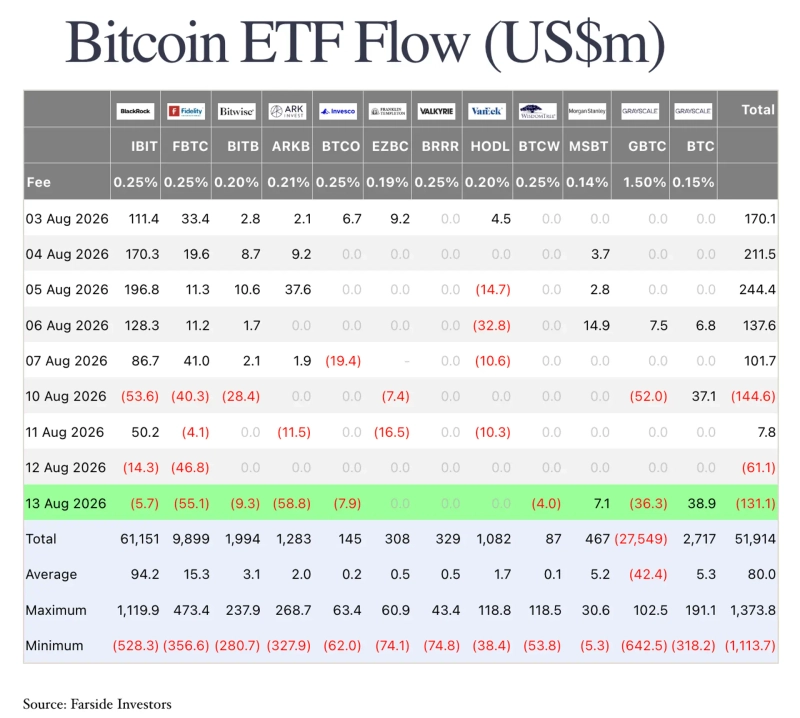
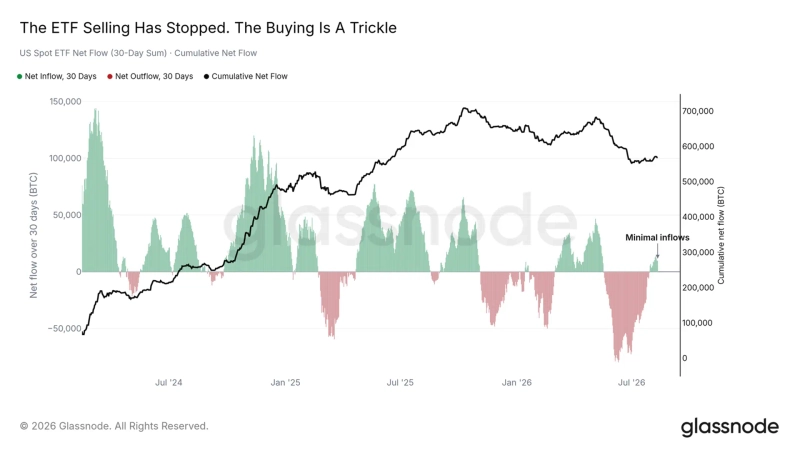
- They said Bitcoin spot trading volume has fallen to its lowest since 2019, and that a gap in spot demand and a buildup in leveraged positions are raising the risk of greater volatility, based on on-chain and ETF trends.
- Still, they said the 200-week moving average, the $63,000 support zone, and an exhausted long-term downtrend with oversold conditions all point to a growing possibility that Bitcoin is forming a long-term bottom.
Forecast Trend Report by Period
Bitcoin remained stuck in the $63,000 range even as softer US inflation and lower oil prices fueled hopes of easing interest-rate pressure. Weak spot trading and a gap in demand have kept the token searching for direction. Analysts say expectations for a long-term bottom are building, but a cautious approach is warranted until Bitcoin reclaims $67,000.
As of 4:48 p.m. on August 14, Bitcoin was trading at $63,050 on Binance's USDT market, down about 1.30% from a day earlier. On Upbit, it was trading at about $64,100. The kimchi premium, which measures the price gap between overseas and South Korean exchanges, stood at negative 0.46%.
US Inflation and Oil Both Ease as Rate Pressure Cools
US inflation data came in softer than expected and international oil prices fell, helping global equities steady. The crypto market, by contrast, remained weak, indicating that hopes for lower rate pressure have yet to translate into clear buying demand.
The US producer price index for July, released on August 13, was unchanged from the previous month, below market expectations for a 0.2% increase. Core PPI, which excludes food and energy, rose 0.2% from a month earlier, also below forecasts for 0.3%. July consumer prices, released earlier, rose 0.1% from the prior month, matching estimates and easing some concern about a renewed pickup in inflation.
Lower oil prices also supported sentiment. Despite the continuing US-Iran war, markets focused more on the prospect of slowing crude demand, pushing Brent down more than 2% intraday to around $87 a barrel. As inflation pressure eased, the yield on the 10-year Treasury fell to 4.64%, while the two-year yield slipped to 4.15%.
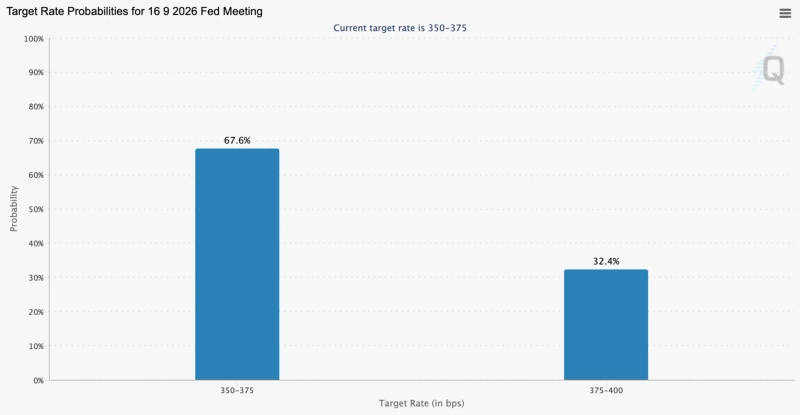
CME FedWatch showed the rates futures market raising the probability of a Federal Reserve hold in September to 67.6% on August 14 from 59.4% a day earlier. Still, markets will continue to test whether softer inflation can materially ease rate pressure, with geopolitical uncertainty tied to the US-Iran war and concerns over the US fiscal deficit keeping long-term yields elevated.