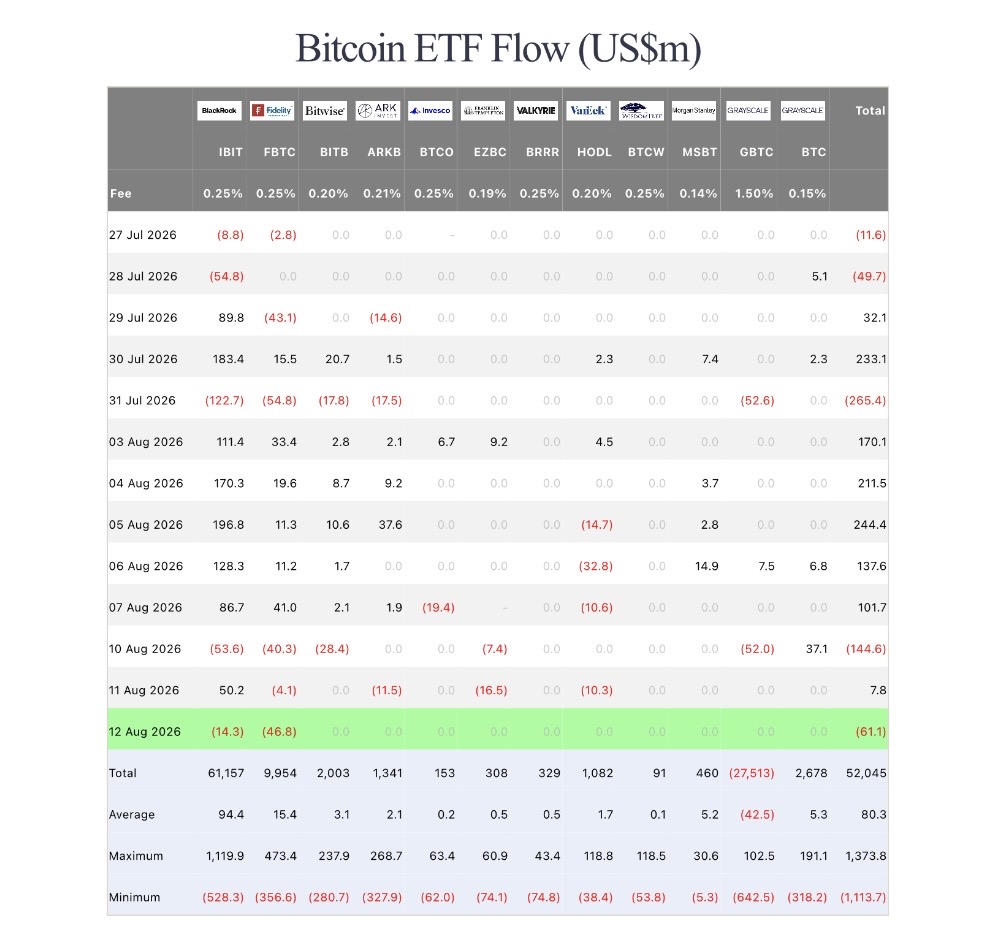


The National Bank of Canada’s disclosed exposure to bitcoin ETFs and an XRP ETF is a useful signal not because the dollar value is market-moving on its own, but because it illustrates the new institutional decision tree. Professional allocators are no longer asking whether crypto exists as an investable category. They are choosing among wrappers, liquidity pools, custody structures, regulatory jurisdictions and asset-specific theses. Bitcoin ETFs remain the cleanest expression of monetary-scarcity exposure; an XRP ETF, by contrast, represents a more targeted bet on payments networks, regulatory normalization and the token’s ability to attract institutional liquidity.
That distinction matters as the market broadens. The next phase of crypto allocation will likely be less correlated than the first ETF-driven bitcoin wave. Bitcoin can attract macro, treasury and reserve-style demand without validating every major altcoin. XRP participation through a regulated product may reduce access friction, but it does not eliminate questions around token supply, ecosystem economics or the depth of sustainable end-user demand. Smart money should watch net creation activity, underlying spot liquidity and concentration of ownership rather than treating a new wrapper as an automatic catalyst.